
Share:
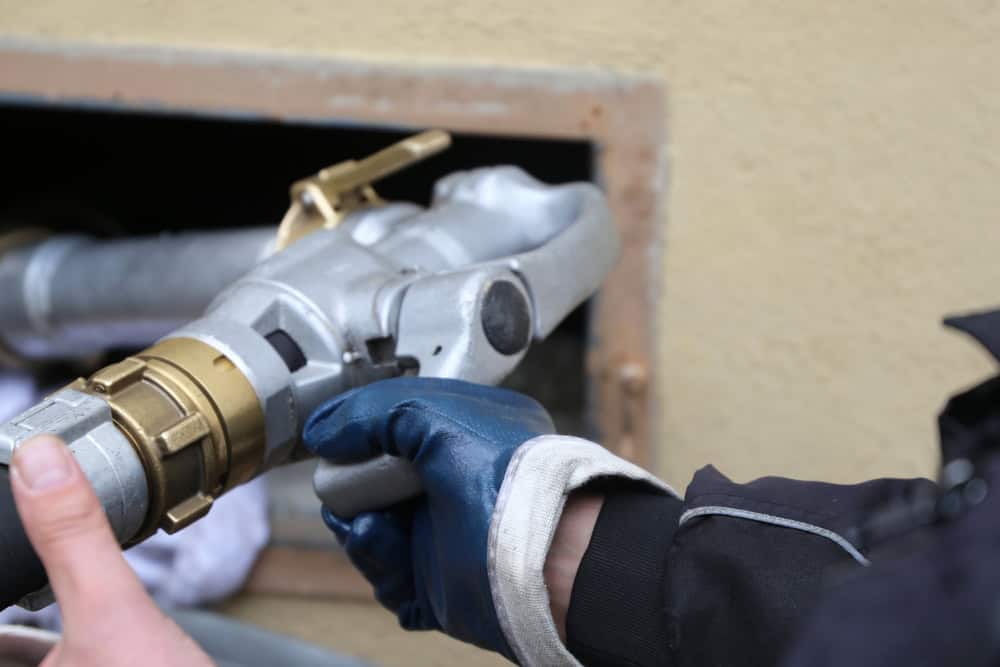
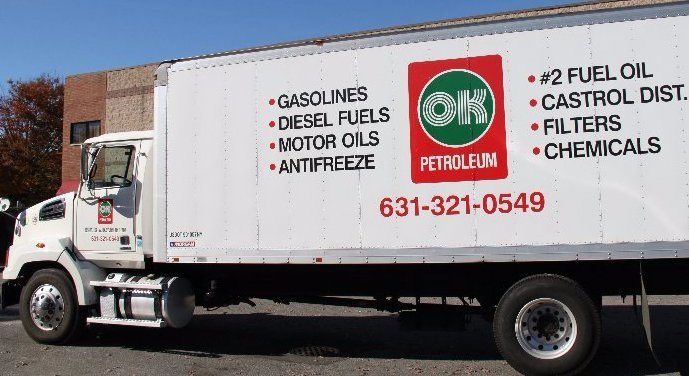
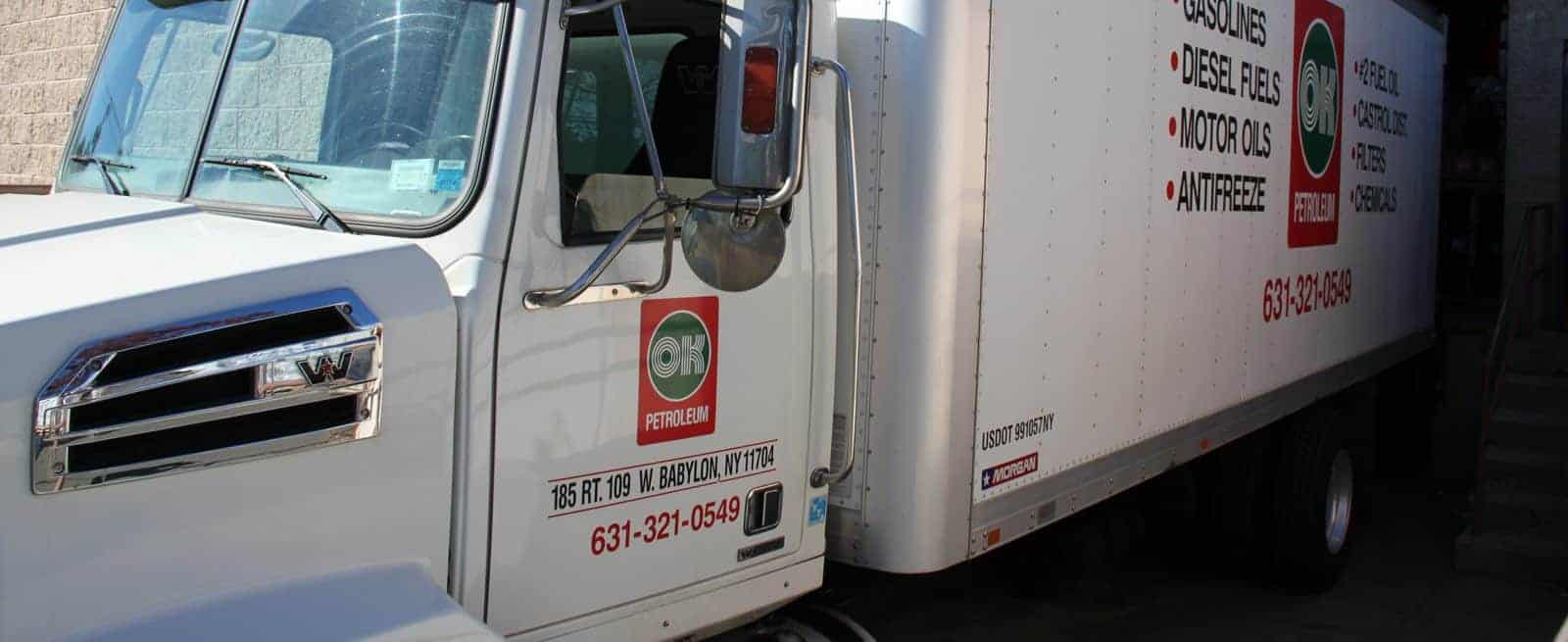
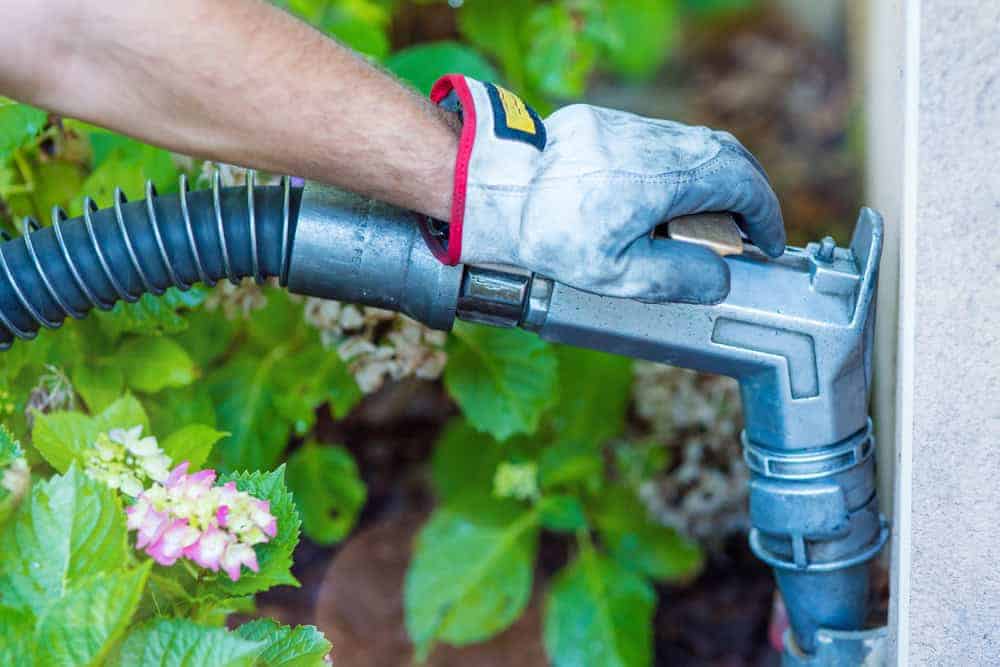
When it comes to choosing a home heating oil delivery service, reliability should be at the forefront of your considerations. It’s crucial to select a service provider, like OK Petroleum, known for its dependability in delivering heating oil, come rain or shine. Their consistency in supply and adherence to delivery schedules provide a sense of security and peace of mind.
In addition to this, it’s essential to consider the provider’s ability to manage emergencies effectively. Emergencies and unforeseen situations can arise anytime, and a reliable provider should be equipped to handle such scenarios. A solid track record of managing crisis situations ensures you always keep a heat source in your home.
A cost-effective home heating oil delivery service is essential for managing your household expenses effectively. When selecting a service, opt for providers like OK Petroleum, that offer transparent pricing without hidden charges. This transparency allows you to budget effectively for your heating needs without any unpleasant surprises down the line.
Another element to consider is the pricing options that your provider offers. Many service providers offer price caps or budget plans, which can be beneficial for managing costs. It’s worth noting, however, that a low price should always maintain the quality of the service and the product. Opt for a provider that balances affordability with quality and reliability.
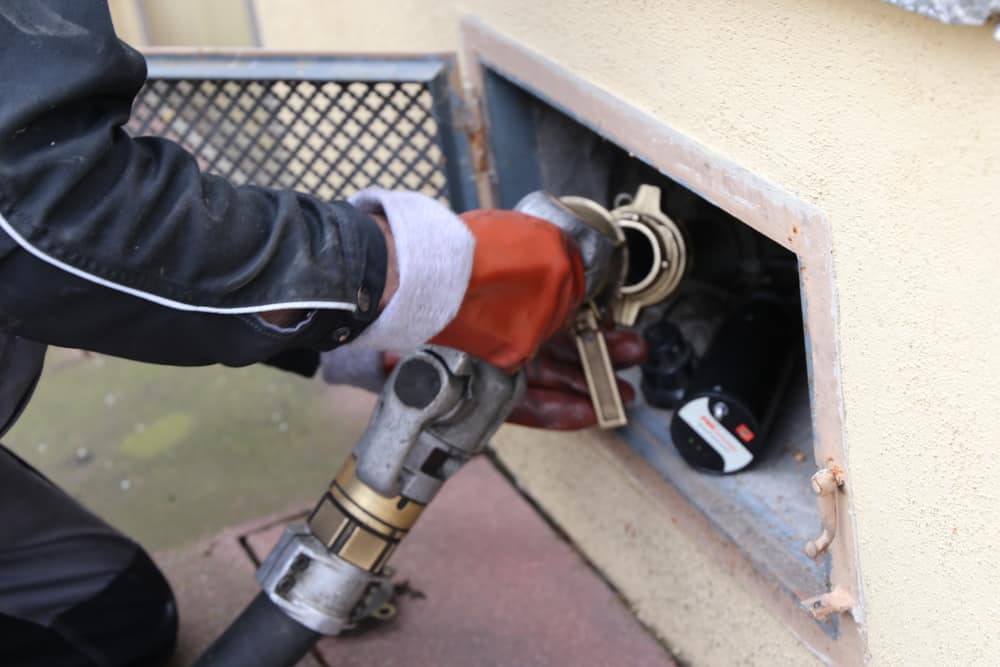
In today’s environmentally conscious world, eco-friendliness is a key consideration when choosing your home heating oil provider. Many service providers now offer options such as low-sulfur or biofuel-based heating oil, which burn cleaner and contribute less to environmental pollution. OK Petroleum is one such provider, demonstrating its commitment to environmental stewardship through its offerings.
In addition to being good for the environment, these eco-friendly options can also be more efficient, which could lead to lower heating costs in the long run. Therefore, choosing a service provider that prioritizes environmental responsibility can benefit both the planet and your wallet.

The quality of customer service offered by a heating oil delivery provider can be a distinguishing factor in your choice. A good service provider should be responsive, approachable, and dedicated to addressing your concerns. OK Petroleum prides itself on offering superior customer service with a team ready always to assist you.
Prompt communication and availability during emergencies are critical aspects of good customer service. This means your provider should be accessible and responsive when needed. This accessibility can provide a significant relief, especially in urgent situations or during peak heating seasons when demand is high.
Beyond heating oil delivery, a full-service provider should also offer technical support and maintenance services. Companies like OK Petroleum understand the importance of ensuring the efficiency and longevity of your heating system. Regular check-ups and preventive maintenance can keep your heating system running smoothly and avoid unexpected breakdowns.
Timely repairs are also an essential aspect of these services. When issues do arise, having a team ready to provide quick and effective solutions can save you from discomfort and inconvenience. These added services ensure the efficiency of your heating system and extend its lifespan, offering you excellent value for your investment.
The financial aspects of a home heating oil delivery service are another crucial consideration. OK Petroleum, for instance, provides a variety of payment options tailored to fit different financial needs and budgets. The ability to choose from prepayment and budget plans can provide flexibility and financial ease.
In addition to providing various payment plans, some service providers also offer price protection plans. These can be particularly beneficial during periods of price volatility, ensuring you avoid sudden spikes in heating costs. Considering these financial aspects can help alleviate stress and provide predictability in your heating expenses, particularly during peak heating season.
Summary:
Most Nassau County homeowners don’t call a technician until the system stops working — usually on a January morning when it’s 28°F outside and the house is already cold. By that point, you’re not shopping around. You’re paying whatever it takes to get the heat back on.
That’s exactly the situation worth avoiding. The good news is that most heating system repair costs on Long Island are predictable if you know what to look for. This page walks through what actually drives those costs, what the numbers typically look like in 2026, and how a few decisions made before the heating season starts can save you a significant amount of money before winter ever arrives.
When Nassau County homeowners think about heating costs, the per-gallon price is usually the first number that comes to mind. And it’s a fair concern — central heating oil prices on Long Island have ranged from $2.89 to over $6.00 per gallon depending on the supplier, the timing, and order size. That’s a wide range, and it matters.
But the per-gallon price is only part of what you’re actually spending on heat every winter. The other part — the one most people don’t track — is what it costs to keep the system running. Repair bills, service calls, emergency fees, and parts replacement add up quietly in the background, and in many cases they’re driven less by bad luck than by factors that were entirely avoidable.
Here’s something most repair invoices won’t tell you: the quality of the heating oil being burned directly affects how often your system needs service.
Not all domestic heating oil suppliers deliver the same product. Standard #2 heating oil, low-sulfur heating oil, and biofuel-based blends all burn differently. Lower-quality or degraded fuel leaves soot and residue in the combustion chamber, fouls the nozzle faster, and accelerates wear on burner components. Over time, that translates into more frequent cleanings, earlier nozzle replacements, and a shorter overall lifespan for parts that aren’t cheap to replace.
A circulator pump replacement on Long Island typically runs $400 to $900. Zone valve replacement can cost $350 to $700 per zone — and many Nassau County homes run two, three, or four zones. These aren’t catastrophic failures. They’re gradual wear events, and they happen faster in systems that have been burning dirty fuel for years.
There’s also the runout problem. When a heating system runs completely out of oil, the burner pulls sludge and sediment from the bottom of the tank into the fuel line. That contaminates the nozzle and filter, and in some cases causes an air lock that shuts the system down entirely. Getting it running again after a runout requires a service call — typically $100 to $300 on top of the emergency delivery cost itself. It’s a bill that catches people off guard every single winter.
Choosing a supplier who delivers clean, quality fuel — and delivers it reliably enough that your tank never hits empty — isn’t just a convenience decision. It’s a system maintenance decision. The two are more connected than most homeowners realize.
Nassau County’s housing stock is older than most people appreciate. The post-World War II building boom that shaped communities like Levittown, Garden City, and Hicksville produced tens of thousands of homes in the late 1940s and 1950s — homes that were designed around oil heat, and many of which still run on systems that are well past their prime.
Oil boilers typically last 15 to 20 years with proper maintenance. Oil furnaces can stretch to 25 years under good conditions. But “proper maintenance” is the key phrase. A system that hasn’t had an annual tune-up in several years, fed inconsistent-quality fuel, and pushed through back-to-back cold winters — like last year’s, when Long Island’s average temperature ran 5.4°F colder than the year before — ages faster than the textbook numbers suggest.
For systems under 10 years old, most repairs fall in the $200 to $660 range and are almost always worth doing. The system has useful life ahead of it, and a single repair extends that. For systems in the 10-to-15-year range, the math starts to shift. You’re still likely repairing rather than replacing, but it’s worth tracking cumulative costs. For systems older than 15 years, the industry standard is the 50% Rule: if a repair quote equals 50% or more of the cost of a new system, replacement is usually the smarter financial move.
On Long Island, a new oil boiler installed runs roughly $5,500 to $15,000 depending on efficiency rating and installation complexity. A new oil furnace replacement typically costs $3,000 to $4,500 for the unit alone when existing ductwork is in good shape, or $8,000 to $12,000 for a full system replacement. If you’re looking at a $4,000 repair quote on a 20-year-old boiler, the 50% Rule says it’s time for a conversation about replacement — not because the repair won’t work, but because you’ll likely be back for another major repair within a year or two anyway.
The other factor specific to Long Island is the coastal environment. Salt air, humidity, and the temperature swings that come with nor’easters accelerate corrosion on pipes, zone valves, and burner components in ways that inland markets don’t see at the same rate. A system on the South Shore of Nassau County may show wear faster than an identical system in a drier, more sheltered location.
This is the part most homeowners figure out the hard way. Heating system repair costs on Long Island aren’t fixed — they vary significantly based on when you call.
An annual oil burner tune-up scheduled in September, before the heating season starts, typically costs $100 to $500. That same visit catches worn nozzles, clogged filters, and early-stage component issues before they become failures. An emergency repair call in December or January — after the system has already gone down — starts at $600 and climbs quickly once you add after-hours surcharges, parts, and potentially a second visit if a part needs to be ordered.
The September window is the single highest-leverage moment in the heating system calendar for Nassau County homeowners.
A professional oil burner tune-up isn’t just a cleaning. A complete service visit typically includes cleaning the combustion chamber, replacing the nozzle and fuel filter, checking the heat exchanger for cracks, testing combustion efficiency, and inspecting safety controls and electrical connections. Each of those steps addresses a specific failure mode that, left unattended, either reduces efficiency or eventually causes a breakdown.
The efficiency piece matters more than people realize. A system running at reduced AFUE — Annual Fuel Utilization Efficiency — burns more oil to produce the same amount of heat. On Long Island, where central heating oil prices can spike sharply between December and February, a system operating at 75% efficiency instead of 85% is costing you real money on every delivery, not just on repair day.
Annual servicing also preserves the relationship between your system and your fuel supplier. A technician who sees your system every year builds a baseline understanding of how it runs. They notice when something has changed. That familiarity is worth something — especially in a market where emergency service availability during peak winter demand is not guaranteed across all providers.
For homeowners who have moved into older Nassau County homes and have no maintenance records for the system, the pre-season tune-up is even more important. You’re not just maintaining the system — you’re finding out what you actually have before you need it to perform.
Most Nassau County homeowners think of their heating oil delivery setup as a billing preference. It’s actually a system maintenance variable.
Automatic delivery — where a supplier uses predictive models to monitor your usage and schedule deliveries before you run low — eliminates the runout risk entirely. No runout means no sludge pulled into the fuel line, no fouled nozzle, no air lock, and no emergency service call to restart the system. Over several years, that’s a meaningful difference in cumulative repair costs.
Will-call service, where you order when you decide you need oil, gives you more direct control over timing and quantity. For homeowners who are diligent about monitoring their tank gauge, it works well. The risk is that life gets busy — especially for the large share of Nassau County residents commuting into New York City on a 36-minute-each-way schedule — and a tank that was “fine last week” hits empty on a Wednesday night in February.
Neither model is wrong. The right choice depends on how closely you want to manage the process. What matters is that you’re working with a home delivery oil company that offers both options without locking you into a contract for either one. That flexibility lets you start with automatic delivery for the peace of mind, and switch to will-call if your situation changes — without penalty.
We’ve been serving Nassau and Suffolk County homes for over 40 years, and the pattern we see most often is this: homeowners who switch to automatic delivery after a runout experience rarely switch back. The math of avoiding one emergency service call more than justifies the convenience.
The short version: schedule your tune-up before October, know your system’s age and apply the 50% Rule before approving a major repair, and make sure your fuel supplier is delivering clean oil reliably enough that your tank never runs dry.
None of that is complicated. But it does require thinking about your heating system in August or September — not in December when the pressure is on and the options are limited.
If you’re reassessing your heating oil setup this fall, or if you’ve had a rough winter and want a more reliable delivery arrangement heading into the next one, we’re here. OK Petroleum Distribution has been keeping Long Island homes warm since the 1970s, and we’re happy to walk through your options — automatic delivery, will-call, payment plans, or any combination that fits how you actually live. Give us a call at (631) 321-0549.
Continue learning:
You can now order home heating oil even more conveniently by downloading our mobile app, available on the App Store and the Play Store.