
Share:
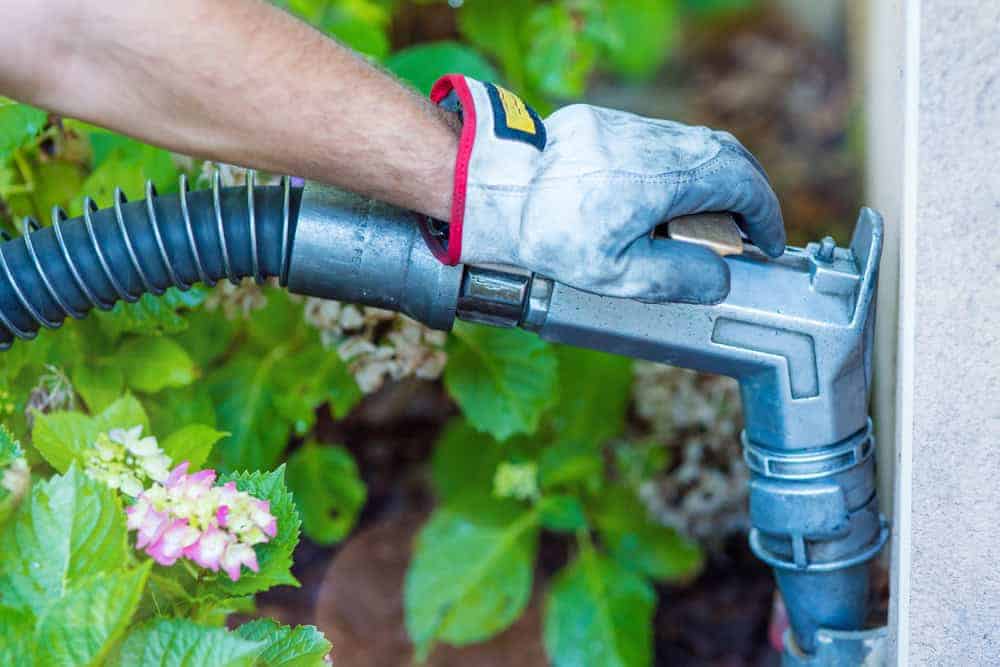
When it comes to choosing a home heating oil delivery service, reliability should be at the forefront of your considerations. It’s crucial to select a service provider, like OK Petroleum, known for its dependability in delivering heating oil, come rain or shine. Their consistency in supply and adherence to delivery schedules provide a sense of security and peace of mind.
In addition to this, it’s essential to consider the provider’s ability to manage emergencies effectively. Emergencies and unforeseen situations can arise anytime, and a reliable provider should be equipped to handle such scenarios. A solid track record of managing crisis situations ensures you always keep a heat source in your home.
A cost-effective home heating oil delivery service is essential for managing your household expenses effectively. When selecting a service, opt for providers like OK Petroleum, that offer transparent pricing without hidden charges. This transparency allows you to budget effectively for your heating needs without any unpleasant surprises down the line.
Another element to consider is the pricing options that your provider offers. Many service providers offer price caps or budget plans, which can be beneficial for managing costs. It’s worth noting, however, that a low price should always maintain the quality of the service and the product. Opt for a provider that balances affordability with quality and reliability.
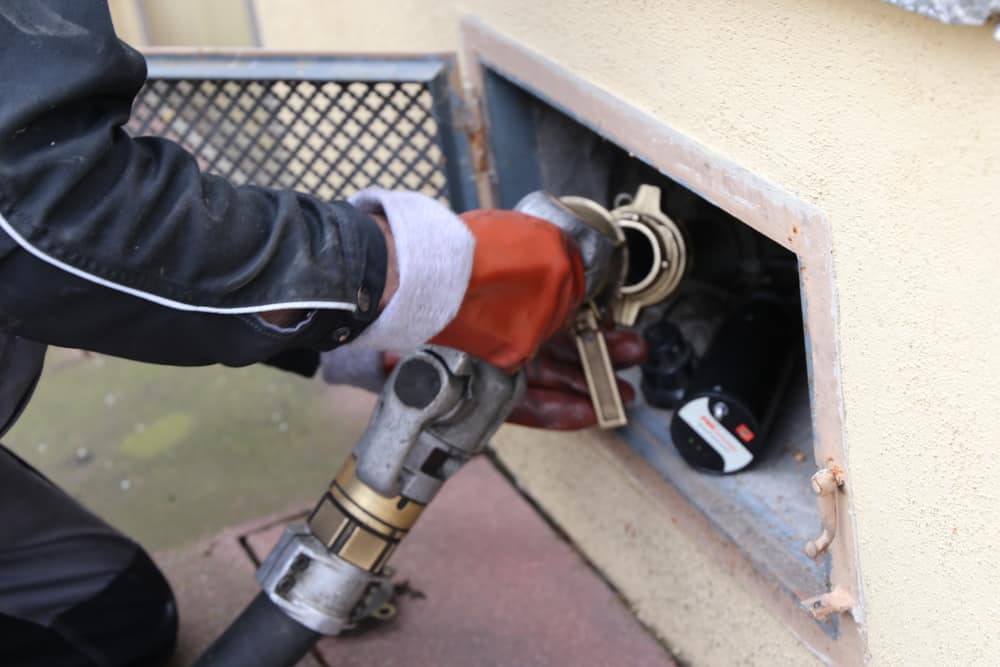
In today’s environmentally conscious world, eco-friendliness is a key consideration when choosing your home heating oil provider. Many service providers now offer options such as low-sulfur or biofuel-based heating oil, which burn cleaner and contribute less to environmental pollution. OK Petroleum is one such provider, demonstrating its commitment to environmental stewardship through its offerings.
In addition to being good for the environment, these eco-friendly options can also be more efficient, which could lead to lower heating costs in the long run. Therefore, choosing a service provider that prioritizes environmental responsibility can benefit both the planet and your wallet.

The quality of customer service offered by a heating oil delivery provider can be a distinguishing factor in your choice. A good service provider should be responsive, approachable, and dedicated to addressing your concerns. OK Petroleum prides itself on offering superior customer service with a team ready always to assist you.
Prompt communication and availability during emergencies are critical aspects of good customer service. This means your provider should be accessible and responsive when needed. This accessibility can provide a significant relief, especially in urgent situations or during peak heating seasons when demand is high.
Beyond heating oil delivery, a full-service provider should also offer technical support and maintenance services. Companies like OK Petroleum understand the importance of ensuring the efficiency and longevity of your heating system. Regular check-ups and preventive maintenance can keep your heating system running smoothly and avoid unexpected breakdowns.
Timely repairs are also an essential aspect of these services. When issues do arise, having a team ready to provide quick and effective solutions can save you from discomfort and inconvenience. These added services ensure the efficiency of your heating system and extend its lifespan, offering you excellent value for your investment.
The financial aspects of a home heating oil delivery service are another crucial consideration. OK Petroleum, for instance, provides a variety of payment options tailored to fit different financial needs and budgets. The ability to choose from prepayment and budget plans can provide flexibility and financial ease.
In addition to providing various payment plans, some service providers also offer price protection plans. These can be particularly beneficial during periods of price volatility, ensuring you avoid sudden spikes in heating costs. Considering these financial aspects can help alleviate stress and provide predictability in your heating expenses, particularly during peak heating season.
Summary:
If you heat your home with oil, you’ve probably had the thought at least once: should I be switching? Maybe a high bill triggered it. Maybe a neighbor mentioned they converted to gas and swear they’re saving money. Maybe you’ve just been watching crude oil prices in the news and wondering what it means for your tank.
It’s a fair question — and it deserves a straight answer. Not a sales pitch, not a scare tactic. Just the actual numbers, laid out clearly, so you can decide what makes sense for your Nassau County home. That’s exactly what we’re going to do here.
When people compare heating oil to propane, they usually do it the wrong way — they look at the price per gallon and stop there. That comparison feels logical, but it skips the most important variable: how much heat you actually get from each gallon.
Heating oil delivers approximately 138,500 BTUs per gallon. Propane delivers around 91,500 BTUs per gallon. That’s a 34% gap in energy content. So when propane is priced lower per gallon than heating oil, it doesn’t mean you’re getting a better deal — it means you’re buying less heat per dollar and will need significantly more of it to keep your home warm.
Here’s the number that changes the conversation: 1.52 gallons of propane equals the heat output of one gallon of heating oil. That means if propane is priced at $2.80 per gallon and heating oil is at $3.25 per gallon, propane’s true equivalent cost is closer to $4.26 per gallon of heating delivered. Suddenly, oil looks a lot more competitive.
This isn’t a trick or a technicality — it’s just physics. A British Thermal Unit (BTU) is the standard measure of heat energy, and you need a specific number of them to warm a Nassau County home through a January that bottoms out around 24°F. Whether those BTUs come from oil, propane, or gas, you’re going to need the same amount of them. The fuel that delivers more BTUs per gallon is the one doing more work per dollar.
Furnace efficiency matters here too. Newer propane systems can reach up to 98% efficiency, while oil furnaces typically run between 80% and 90%. That efficiency gap does narrow oil’s raw BTU advantage — a fair point worth acknowledging. But even accounting for it, the difference between oil and propane on a cost-per-BTU basis is often much smaller than the per-gallon price comparison suggests. And in many cases, especially for homes with older, well-maintained oil systems, oil still comes out ahead.
There’s also the propane lock-in issue that doesn’t get talked about enough. Propane tanks are typically leased from the supplier, which means you’re often tied to that company’s pricing whether you like it or not. With heating oil, you own your tank and can shop among multiple suppliers. On Long Island, that competitive market is real — and it keeps prices in check in a way that a single-supplier arrangement simply can’t.
Natural gas is genuinely cheaper than heating oil on a per-BTU basis at current prices. That part is true, and it’s worth saying plainly rather than dancing around it. But the question Nassau County homeowners should actually be asking isn’t “which fuel is cheaper per BTU?” — it’s “what would it actually cost me to switch, and how long until I break even?”
Converting from oil to gas means replacing your boiler or furnace with a gas-compatible unit, connecting to the National Grid gas line (which involves application fees, connection costs, and sometimes significant pipe-running expenses depending on your property), pulling permits, and disposing of your existing oil system. When you add it all up, conversion costs on Long Island typically run into the thousands of dollars — and that’s before you’ve saved a single dollar on fuel.
If your oil system is relatively new and running well, the math on switching gets hard to justify quickly. The annual fuel savings — even if real — may take many years to offset the upfront cost. If your boiler is approaching end-of-life anyway and you’re already facing replacement costs, the calculation changes, and it’s worth getting actual quotes from local contractors before deciding.
Here’s something that often gets left out of the gas-vs-oil conversation: with natural gas, you’re buying from one supplier. There’s no shopping around, no competitive pricing, no option to lock in a rate with a different company if prices move against you. With heating oil on Long Island, the market is genuinely competitive. Multiple suppliers serve Nassau County, which gives you real leverage — especially if you’re working with a company that offers budget plans, price caps, or prepayment options. That flexibility doesn’t exist on the gas side.
The honest answer to “is gas or oil heat cheaper” is: it depends on your system, your usage, your timeline, and whether you factor in conversion costs. For a lot of Nassau County homeowners, the gap is smaller than they’ve been led to believe — and when you account for the cost of switching, oil often wins on total cost of ownership.
One of the biggest reasons people consider switching fuels is the perception that heating oil prices are unpredictable and trending upward. That concern is understandable — oil prices do move with crude markets, and there have been painful spikes in recent years. But the current outlook is more favorable than that narrative suggests.
Heating oil prices are projected to average around $3.50 per gallon in winter 2025, representing roughly a 9% decline from 2024, according to EIA data. Crude oil prices have softened, and inventory levels heading into the heating season are healthier than last year. That doesn’t mean prices are locked in forever, but it does mean the “oil is only going up” assumption isn’t supported by the current data.

Price volatility is a real feature of the heating oil market — no one is going to pretend otherwise. But it’s also a manageable one, and oil customers have tools available to them that gas customers simply don’t.
Budget plans let you spread your annual heating costs into equal monthly payments, so a cold February doesn’t hit your bank account all at once. Price protection plans let you lock in a maximum per-gallon rate before the season starts, so if prices spike, you’re covered. Prepayment options let you buy at today’s price when the market is favorable — typically in late summer or early fall, before peak demand drives prices up. None of these options exist if you’re on natural gas. Your bill is whatever National Grid charges that month.
There’s also the question of timing. Heating oil consumers who fill their tanks in late summer, when demand is low and prices tend to be softer, consistently pay less than those who wait until January. Combine that with a budget plan or price cap, and the volatility problem becomes much more manageable than it appears on the surface.
The environmental question comes up more and more, especially among homeowners who’ve been on oil for decades and are starting to wonder if they’re behind the times. The short answer is that modern heating oil is dramatically cleaner than what was being burned twenty or thirty years ago — and the gap between oil and natural gas on emissions is much narrower than most people realize.
Today’s ultra-low sulfur heating oil contains just 0.0015% sulfur — that’s one twenty-seventh the amount found in older fuel oil, and it’s comparable to the sulfur content of residential natural gas. New York State also mandates that heating oil sold in the state contain a minimum biodiesel content (sold under the Bioheat® name), a requirement that has been increasing over time. That means Long Island homeowners are already heating with a partially renewable fuel blend, whether they know it or not.
This matters for Nassau County specifically because the housing stock here skews older — a lot of homes in communities like Levittown, Wantagh, Seaford, and Massapequa were built in the postwar era and designed around oil heat from the start. These systems have been updated, maintained, and modernized over the decades, but the infrastructure is already in place. Replacing a functioning oil system with a gas system doesn’t just cost money — it also has its own environmental footprint in terms of manufacturing, installation, and disposal.
If you’re heating with modern low-sulfur or Bioheat-blended oil, you’re working with a fuel that has improved significantly — and continues to improve as biodiesel blend requirements increase.
The comparison between heating oil, natural gas, and propane is genuinely more complicated than a single price-per-gallon number. BTU content, conversion costs, price management tools, your existing system’s age, and the competitive dynamics of the Long Island fuel market all factor in. For most Nassau County homeowners with a working oil system, the case for staying on oil — especially with the right delivery setup and payment plan — is stronger than the conventional wisdom suggests.
If you’re still weighing your options or just want to make sure you’re getting the most out of your current oil setup, we’re here to help. We’ve been serving Nassau and Suffolk County homeowners since 1976, and we’ve watched a lot of people work through exactly this decision. Whether you want the hands-off convenience of automatic delivery or the control of ordering on your own schedule with no contract required, we can work with how you want to manage your heat. Give us a call at (631) 321-0549 or place an order online — and stop wondering if you’re making the right call.
Continue learning:
You can now order home heating oil even more conveniently by downloading our mobile app, available on the App Store and the Play Store.