
Share:
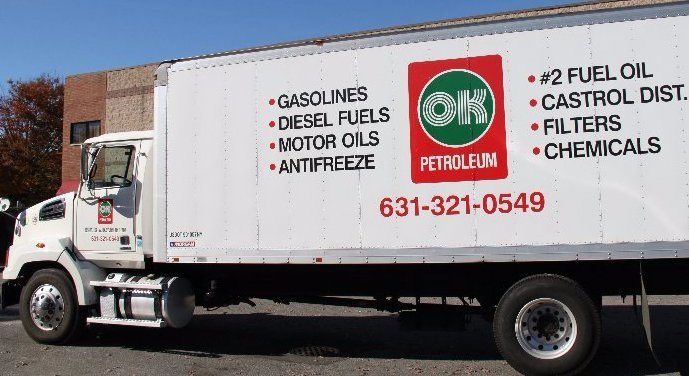
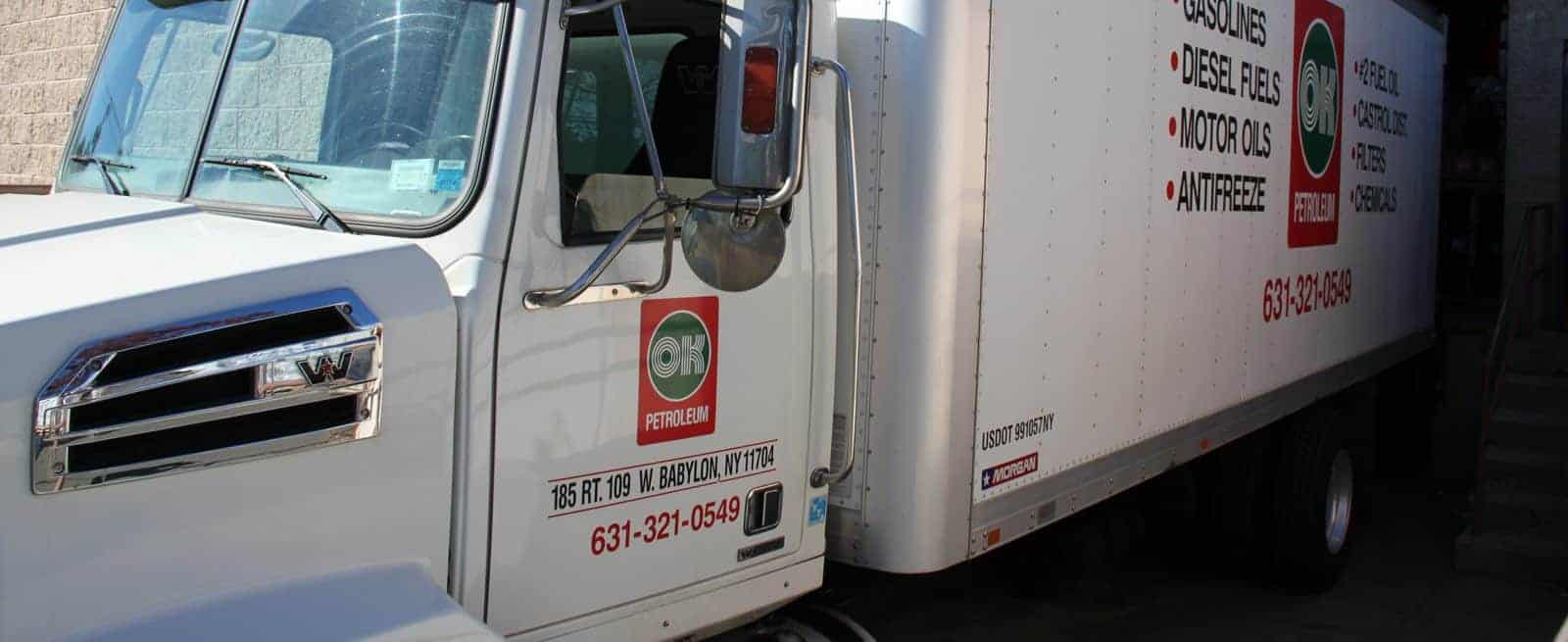
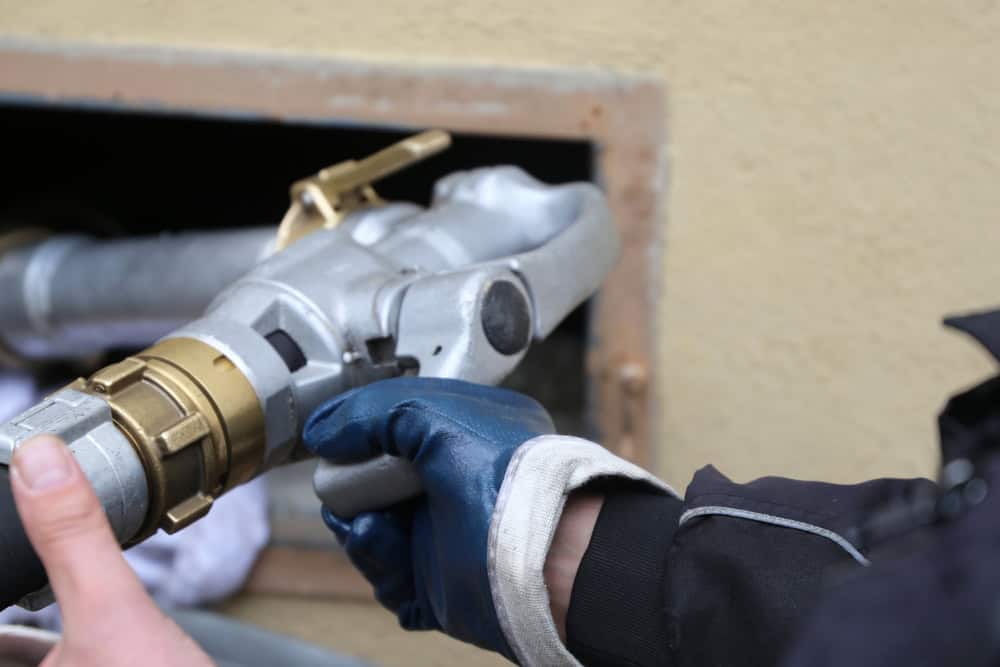
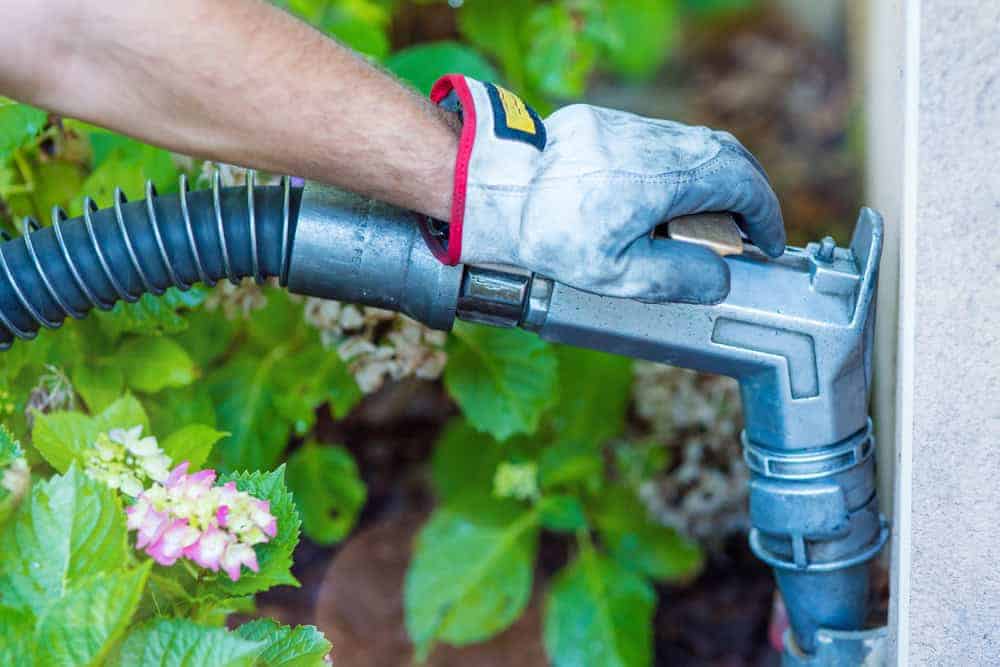
When it comes to choosing a home heating oil delivery service, reliability should be at the forefront of your considerations. It’s crucial to select a service provider, like OK Petroleum, known for its dependability in delivering heating oil, come rain or shine. Their consistency in supply and adherence to delivery schedules provide a sense of security and peace of mind.
In addition to this, it’s essential to consider the provider’s ability to manage emergencies effectively. Emergencies and unforeseen situations can arise anytime, and a reliable provider should be equipped to handle such scenarios. A solid track record of managing crisis situations ensures you always keep a heat source in your home.
A cost-effective home heating oil delivery service is essential for managing your household expenses effectively. When selecting a service, opt for providers like OK Petroleum, that offer transparent pricing without hidden charges. This transparency allows you to budget effectively for your heating needs without any unpleasant surprises down the line.
Another element to consider is the pricing options that your provider offers. Many service providers offer price caps or budget plans, which can be beneficial for managing costs. It’s worth noting, however, that a low price should always maintain the quality of the service and the product. Opt for a provider that balances affordability with quality and reliability.
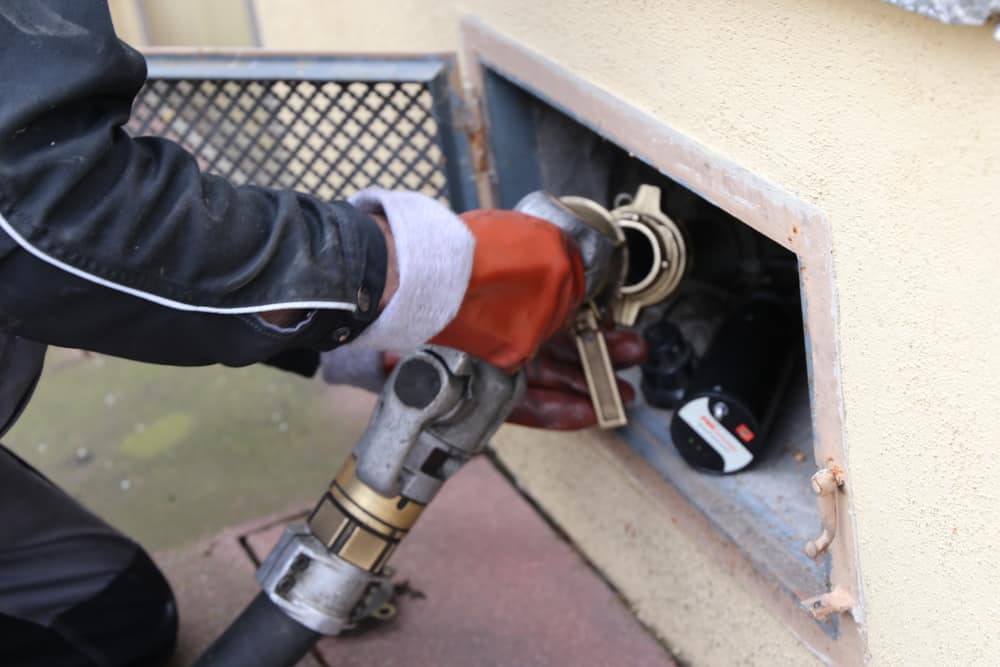
In today’s environmentally conscious world, eco-friendliness is a key consideration when choosing your home heating oil provider. Many service providers now offer options such as low-sulfur or biofuel-based heating oil, which burn cleaner and contribute less to environmental pollution. OK Petroleum is one such provider, demonstrating its commitment to environmental stewardship through its offerings.
In addition to being good for the environment, these eco-friendly options can also be more efficient, which could lead to lower heating costs in the long run. Therefore, choosing a service provider that prioritizes environmental responsibility can benefit both the planet and your wallet.

The quality of customer service offered by a heating oil delivery provider can be a distinguishing factor in your choice. A good service provider should be responsive, approachable, and dedicated to addressing your concerns. OK Petroleum prides itself on offering superior customer service with a team ready always to assist you.
Prompt communication and availability during emergencies are critical aspects of good customer service. This means your provider should be accessible and responsive when needed. This accessibility can provide a significant relief, especially in urgent situations or during peak heating seasons when demand is high.
Beyond heating oil delivery, a full-service provider should also offer technical support and maintenance services. Companies like OK Petroleum understand the importance of ensuring the efficiency and longevity of your heating system. Regular check-ups and preventive maintenance can keep your heating system running smoothly and avoid unexpected breakdowns.
Timely repairs are also an essential aspect of these services. When issues do arise, having a team ready to provide quick and effective solutions can save you from discomfort and inconvenience. These added services ensure the efficiency of your heating system and extend its lifespan, offering you excellent value for your investment.
The financial aspects of a home heating oil delivery service are another crucial consideration. OK Petroleum, for instance, provides a variety of payment options tailored to fit different financial needs and budgets. The ability to choose from prepayment and budget plans can provide flexibility and financial ease.
In addition to providing various payment plans, some service providers also offer price protection plans. These can be particularly beneficial during periods of price volatility, ensuring you avoid sudden spikes in heating costs. Considering these financial aspects can help alleviate stress and provide predictability in your heating expenses, particularly during peak heating season.
Summary:
Here’s something most online cost guides won’t tell you: the majority of them were written with gas furnaces in mind. If you own a home in Baldwin, Bellmore, Mineola, or anywhere else across Nassau County, there’s a good chance you’re heating with oil — and an oil furnace tune-up is a different service with different tasks, different costs, and different consequences if you skip it.
This page is written for you. We’ll walk through what a tune-up actually costs in this market, what a thorough service should include, and what to do when your furnace stops cooperating in the middle of a January cold snap.
For an oil furnace tune-up in Nassau County, expect to pay somewhere between $100 and $200 for a standard annual service. That range reflects what we and other local providers actually charge in this market — not the national average you’ll see cited elsewhere, which tends to skew lower because it’s weighted toward gas systems in lower cost-of-living areas.
Annual maintenance plans, which typically bundle a tune-up with priority scheduling and discounted repair rates, generally run $150 to $500 per year depending on what’s covered. Some Nassau County providers advertise standalone tune-ups starting at $99, though it’s worth asking exactly what’s included at that price point before you book.
This is where oil furnace service parts ways with what most generic guides describe. A proper oil furnace tune-up isn’t just a visual inspection and a filter swap. It’s a hands-on service that addresses the specific wear patterns and buildup that oil-burning systems develop over a heating season.
A thorough tune-up should include replacing the oil burner nozzle — and we do mean replacing, not cleaning. The nozzle controls the spray pattern that determines how efficiently your furnace burns fuel, and a worn nozzle quietly costs you money all winter before it eventually causes a lockout. The oil filter gets replaced as well, and the fuel line gets bled to remove any air that could interrupt combustion.
Beyond the fuel system, a good technician will clean the burner assembly, inspect the electrodes, check the flue pipes and heat exchanger for cracks or obstructions, and run a combustion analysis to verify that your system is burning cleanly and efficiently. That last step matters more than most homeowners realize — a combustion analysis is how a technician confirms your system isn’t producing excess carbon monoxide, which is a real concern in Nassau County’s older housing stock where heat exchangers on 20- and 30-year-old furnaces can develop hairline cracks that aren’t visible to the eye.
The whole service typically takes one to two hours. If a technician is in and out in twenty minutes, that’s a signal worth paying attention to.
One thing that often surprises homeowners: a tune-up and an inspection are not the same thing. An inspection identifies problems. A tune-up actively cleans, adjusts, and replaces wear components — and it includes an inspection as part of that process. If someone quotes you for an “inspection” and calls it maintenance, ask what they’re actually doing to the system.
The short answer is no — and the math makes the case pretty clearly once you look at it.
A tune-up in Nassau County runs $100 to $200. An emergency repair call in January, when every HVAC technician on Long Island is already booked, runs $300 to $600 or more depending on what failed. A new oil burner costs $2,000 to $7,000 plus installation. The tune-up is, by a significant margin, the cheapest outcome available to you.
Four out of five heating system breakdowns are preventable with regular maintenance. That’s not a sales line — it’s a figure from the heating industry that reflects how many mid-winter failures trace back to deferred maintenance rather than random equipment failure. The furnace that dies on the coldest night of February usually gave plenty of warning signs in the months before: longer run cycles, higher oil consumption, a faint smell during startup. A trained technician catching those signals in October costs you $150. Ignoring them can cost you a week without heat and a repair bill that makes the tune-up look like a rounding error.
There’s also the lifespan argument. A properly maintained furnace can last well beyond its standard 15-to-20-year design life — sometimes by five to ten additional years. In a Nassau County home where a replacement system is a multi-thousand-dollar project, those extra years have real dollar value.
And then there’s efficiency. A maintained system uses 20 to 30 percent less fuel than one that’s been neglected. On Long Island, where heating oil costs are a meaningful household expense every winter, that gap adds up across a six-month heating season.
The one objection worth taking seriously is the upsell concern — and it’s legitimate. Some less-reputable companies use tune-up visits as an opportunity to push repairs that aren’t actually necessary. The way to protect yourself is to ask for a written inspection report at the end of every service call, not just a verbal “everything looks fine.” A technician who won’t put their findings in writing is a technician worth reconsidering.
Long Island has one of the highest concentrations of oil-heated homes in the United States. While natural gas has displaced oil heat in most of the country over the past few decades, infrastructure limitations across much of Long Island kept oil furnaces as the dominant system — and that’s still true today across Nassau County towns from Garden City South to Plainview to Manhasset.
What that means practically is that the furnace tune-up market here is almost entirely oil-focused, and the homeowners asking about cost are almost never asking about gas systems. It also means that experience with oil burners specifically — not just HVAC systems in general — matters when you’re choosing who to call.

If your oil furnace has stopped working and you’re trying to figure out whether you need a repair call or just a reset, here’s what to check first.
Most oil furnaces have a red reset button on the burner assembly — usually on the side of the burner motor housing. If your furnace locked out, pressing this button once will attempt to restart the ignition sequence. The key word there is once. Press it, wait about 30 seconds, and see if the burner fires. If it doesn’t, stop there. Pressing the reset button repeatedly without identifying the root cause can flood the combustion chamber with unburned oil, which creates a hazardous situation and a more expensive repair than you started with.
Before you press anything, check the obvious things first. Is your oil tank empty or close to it? A furnace will lock out when it can’t draw fuel, and a low tank is one of the most common reasons for a sudden shutdown — especially if you’ve had a cold stretch and haven’t checked your level recently. Also check that your thermostat is set above the current room temperature and that the power switch on the furnace (it looks like a regular light switch, usually mounted on the wall near the unit or at the top of the basement stairs) is in the on position.
If you’ve checked all of that, the tank has oil, the power is on, the thermostat is calling for heat, and the furnace still won’t stay running after a single reset attempt — that’s when you call for service. Continuing to troubleshoot beyond that point without the right equipment risks making the problem worse.
One thing worth knowing: if your furnace locked out because it ran low on oil and you’ve since had a delivery, you may need to bleed the fuel line before the system will restart reliably. Air that entered the line when the tank ran dry can prevent the burner from sustaining a flame even after the tank is refilled. A technician can bleed the line quickly, but it’s not a step you want to skip.
A lot of Nassau County homes — particularly the older Cape Cods and split-levels built in the postwar decades — heat with oil-fired boilers rather than furnaces. The distinction matters because a boiler heats water and distributes heat through radiators or baseboard units, while a furnace heats air and distributes it through ductwork. The restart procedure is similar in some ways but has a few additional steps worth knowing.
Start with the same checks: verify the oil level, confirm the power switch is on, and make sure the thermostat is set to call for heat. Then check the pressure gauge on the boiler itself — it should read between 12 and 15 PSI when the system is cold. If the pressure is too low, the boiler may have shut itself off as a safety measure. Adding water to bring the pressure back into range (there’s typically an automatic fill valve, but some older systems require manual filling) may allow the system to restart.
The reset button on an oil boiler is in the same general location as on a furnace — on the burner assembly — and the same rule applies: press it once, wait, and don’t repeat if it doesn’t hold. If your boiler has a pilot light (common on older systems), check whether it’s lit before pressing reset. A boiler that keeps cycling on and off, produces uneven heat across your radiators, or makes banging or gurgling sounds is telling you something is wrong beyond a simple reset — those are symptoms that warrant a service call.
One thing that catches Nassau County homeowners off guard with boilers: the system needs to be bled periodically to remove air that accumulates in the radiators. Air pockets prevent hot water from circulating properly and result in radiators that are warm at the bottom but cold at the top. Bleeding the radiators is a straightforward process, but it’s often overlooked until homeowners notice uneven heating room to room — which is also a sign that an annual tune-up is overdue.
Even with a well-maintained system, heating emergencies happen. A component fails, a lockout won’t clear, or a delivery runs dry on the coldest night of the year. When that happens in Nassau County, you need someone who can respond fast — not a company that puts you on a three-day waiting list.
The best time to build that relationship is before you need it urgently. Knowing who to call, having your account set up, and understanding your system’s basics puts you in a much stronger position when something goes wrong at 10pm in January.
We’ve been serving Nassau and Suffolk County homeowners since 1976 — nearly fifty years of Long Island winters, aging oil systems, and the kind of heating emergencies that don’t wait for business hours. If you have questions about your heating oil supply, want to set up delivery before the season starts, or just want to talk through your options, OK Petroleum Distribution is here. Reach us at (631) 321-0549.
Continue learning:
You can now order home heating oil even more conveniently by downloading our mobile app, available on the App Store and the Play Store.