
Share:
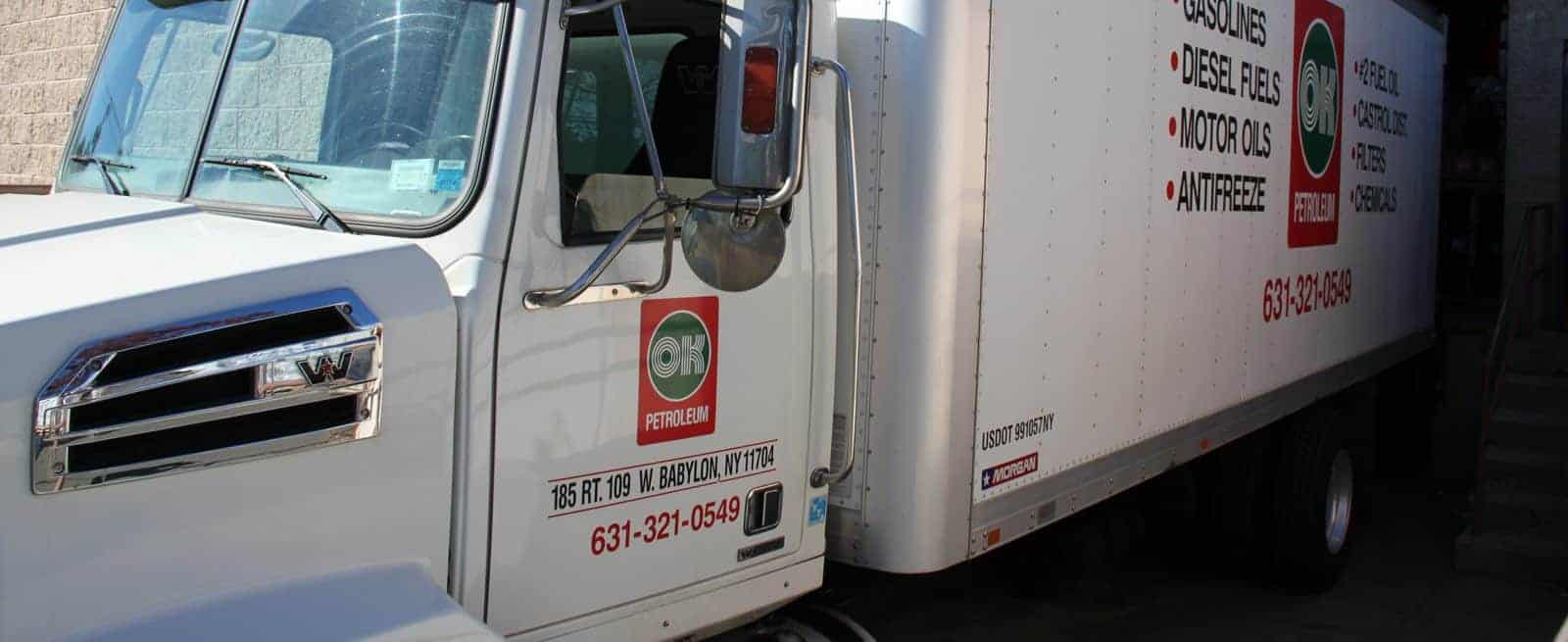
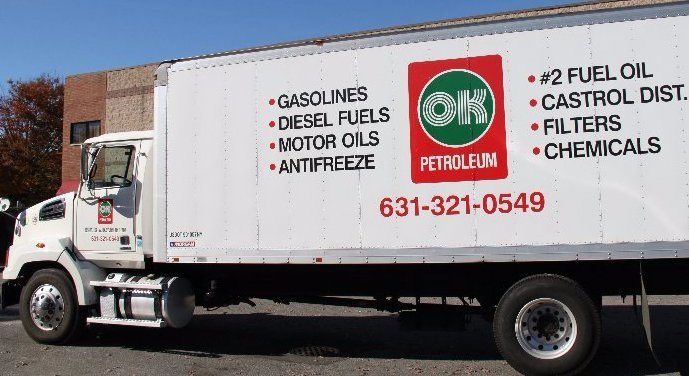
When it comes to choosing a home heating oil delivery service, reliability should be at the forefront of your considerations. It’s crucial to select a service provider, like OK Petroleum, known for its dependability in delivering heating oil, come rain or shine. Their consistency in supply and adherence to delivery schedules provide a sense of security and peace of mind.
In addition to this, it’s essential to consider the provider’s ability to manage emergencies effectively. Emergencies and unforeseen situations can arise anytime, and a reliable provider should be equipped to handle such scenarios. A solid track record of managing crisis situations ensures you always keep a heat source in your home.
A cost-effective home heating oil delivery service is essential for managing your household expenses effectively. When selecting a service, opt for providers like OK Petroleum, that offer transparent pricing without hidden charges. This transparency allows you to budget effectively for your heating needs without any unpleasant surprises down the line.
Another element to consider is the pricing options that your provider offers. Many service providers offer price caps or budget plans, which can be beneficial for managing costs. It’s worth noting, however, that a low price should always maintain the quality of the service and the product. Opt for a provider that balances affordability with quality and reliability.
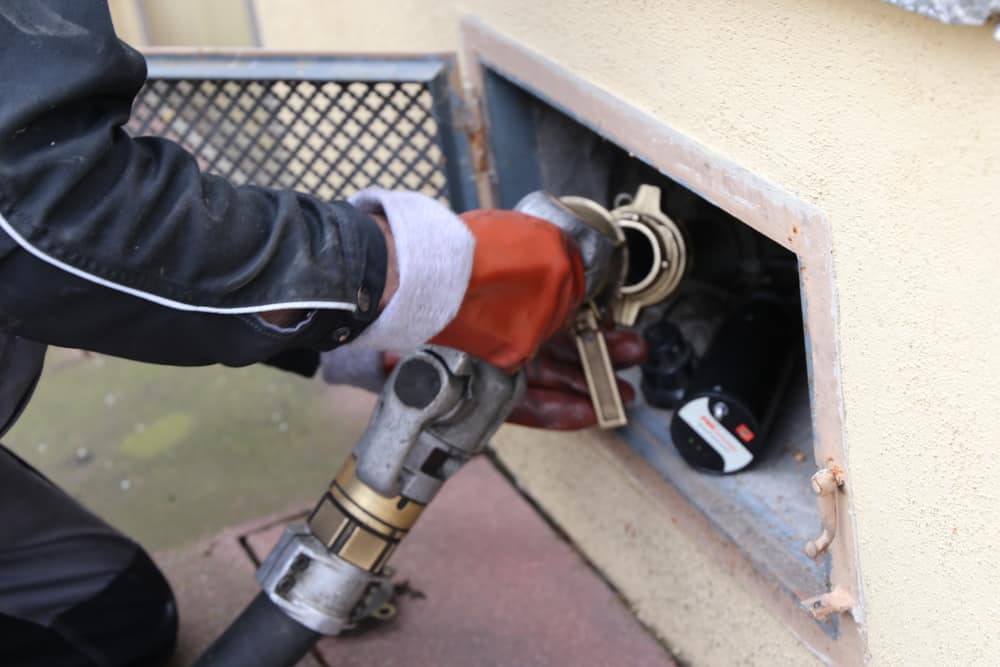
In today’s environmentally conscious world, eco-friendliness is a key consideration when choosing your home heating oil provider. Many service providers now offer options such as low-sulfur or biofuel-based heating oil, which burn cleaner and contribute less to environmental pollution. OK Petroleum is one such provider, demonstrating its commitment to environmental stewardship through its offerings.
In addition to being good for the environment, these eco-friendly options can also be more efficient, which could lead to lower heating costs in the long run. Therefore, choosing a service provider that prioritizes environmental responsibility can benefit both the planet and your wallet.

The quality of customer service offered by a heating oil delivery provider can be a distinguishing factor in your choice. A good service provider should be responsive, approachable, and dedicated to addressing your concerns. OK Petroleum prides itself on offering superior customer service with a team ready always to assist you.
Prompt communication and availability during emergencies are critical aspects of good customer service. This means your provider should be accessible and responsive when needed. This accessibility can provide a significant relief, especially in urgent situations or during peak heating seasons when demand is high.
Beyond heating oil delivery, a full-service provider should also offer technical support and maintenance services. Companies like OK Petroleum understand the importance of ensuring the efficiency and longevity of your heating system. Regular check-ups and preventive maintenance can keep your heating system running smoothly and avoid unexpected breakdowns.
Timely repairs are also an essential aspect of these services. When issues do arise, having a team ready to provide quick and effective solutions can save you from discomfort and inconvenience. These added services ensure the efficiency of your heating system and extend its lifespan, offering you excellent value for your investment.
The financial aspects of a home heating oil delivery service are another crucial consideration. OK Petroleum, for instance, provides a variety of payment options tailored to fit different financial needs and budgets. The ability to choose from prepayment and budget plans can provide flexibility and financial ease.
In addition to providing various payment plans, some service providers also offer price protection plans. These can be particularly beneficial during periods of price volatility, ensuring you avoid sudden spikes in heating costs. Considering these financial aspects can help alleviate stress and provide predictability in your heating expenses, particularly during peak heating season.
Summary:
If you’ve been heating your Nassau County home with oil for years and someone — a neighbor, a propane company mailer, a news story about energy prices — has you wondering whether you should switch, you’re not alone. It’s a fair question, and it deserves a straight answer, not a sales pitch from the propane side or a defensive one from ours.
What most comparison guides get wrong is that they rely on national averages and ignore the specific realities of heating a home on Long Island. The numbers look different here. The infrastructure is different. And for a lot of Nassau County homeowners, the math lands in a place that might surprise you.
The most common mistake homeowners make when comparing these two fuels is looking at the price per gallon and stopping there. That number alone doesn’t tell you anything useful, because oil and propane don’t contain the same amount of energy.
One gallon of heating oil contains roughly 137,381 BTUs. One gallon of propane contains roughly 91,452 BTUs. That means oil delivers about 51% more heat per gallon than propane does. So even if propane costs less per gallon at the pump, you need significantly more of it to heat your home to the same temperature.
The only comparison that actually matters is cost per useful BTU delivered — and that’s where the story changes for Nassau County homeowners.
Let’s be specific, because vague comparisons don’t help anyone make a real decision.
The national average price for heating oil in 2024 was $3.87 per gallon. The national average for propane was $2.50 per gallon. On the surface, propane looks cheaper. But here’s what those articles don’t tell you: the East Coast residential propane average in January 2024 was $3.421 per gallon — not $2.50. That’s a 37% premium over the national figure, and it’s the number that actually applies to Nassau County homeowners.
Now factor in the BTU gap. At $3.42 per gallon, propane is delivering 91,452 BTUs. At $3.87 per gallon, heating oil is delivering 137,381 BTUs. You’d need roughly 1.51 gallons of propane to match the heat output of one gallon of oil. Run that math on a typical Nassau County home that burns 1,000 gallons of oil per winter, and you’re looking at needing approximately 1,510 gallons of propane to produce the same heat — 510 additional gallons to buy, store, and pay for every single year.
Modern propane furnaces do run at higher efficiency ratings — typically 95% to 98% AFUE, compared to 80% to 90% for standard oil systems. That efficiency gap does narrow oil’s BTU-per-dollar advantage. One analysis from This Old House put oil’s remaining cost advantage at around 14% after accounting for efficiency differences. That’s not a massive gap, but it’s real — and it consistently favors oil for Nassau County homes at East Coast propane prices.
The point isn’t that propane is never the right answer. It’s that the comparison looks very different when you use Long Island numbers instead of national ones.
This is the part that most comparison guides skip entirely, and it’s probably the most important piece of information for a Nassau County homeowner to have before making any decision.
Converting an oil-heated home to propane isn’t a simple equipment swap. You’re looking at removing your existing oil tank — which costs $500 to $1,500 for an above-ground tank, or $2,000 to $5,000 for an underground tank, which is common in older Nassau County neighborhoods. You’ll need a new propane furnace or boiler, typically $3,500 to $7,500 installed. Add the cost of a propane tank and the associated installation and permitting, and total conversion costs for a Long Island home commonly land between $8,000 and $15,000.
That’s before you’ve saved a single dollar on fuel.
The housing stock in Nassau County makes this especially worth thinking through. A lot of homes here — in communities like Plainview, Bellmore, Old Bethpage, and Bethpage — were built in the 1950s, 1960s, and 1970s with oil heat infrastructure already in place. That infrastructure has often been updated and is working fine. Replacing it entirely to switch fuels requires a long payback period — frequently seven to fifteen years — and that window only works if propane prices stay favorable relative to oil for the entire time. They don’t always.
There’s also the supplier freedom issue, and it’s one that rarely gets discussed honestly. If you lease a propane tank — which is the most common arrangement — you are legally restricted to buying fuel only from the company that owns that tank. You cannot shop around. You cannot call a competitor for a better price. With heating oil, you can contact any of the 259-plus oil companies serving Long Island and get a quote. That competition keeps pricing transparent and gives you real leverage. We offer a will-call model at OK Petroleum Distribution that lets customers buy in summer when demand is low and prices dip — typically saving $0.50 to $0.90 per gallon compared to buying in peak winter months. That kind of flexibility simply doesn’t exist in the same way when you’re locked into a leased propane tank.
One of the most common reasons Nassau County homeowners consider switching to propane is the environmental argument. Propane burns cleaner than oil — that’s the line. And for a long time, it was a fair point to make. It isn’t anymore, at least not for Long Island.
As of July 1, 2025, all heating oil sold in New York State is legally required to contain at least 10% biodiesel — known as B10 Bioheat®. Nassau County and the rest of Long Island have actually been ahead of this curve since 2017, when a 5% biodiesel requirement was first mandated for downstate New York. The state mandate escalates to 20% biodiesel by 2030. That means the oil going into your tank right now is already a low-carbon, biodiesel-blended fuel — and it requires zero modifications to your existing furnace, burner, or tank.
The short answer is no — not the way it used to be, and not the way propane advocates typically describe it.
The Bioheat® blend that Long Island homeowners have been burning since 2017 meaningfully reduces soot, sulfur, and carbon emissions compared to conventional heating oil. The B10 standard now in effect statewide takes that further. By 2030, the B20 mandate will reduce oil heat’s carbon footprint even more — all without requiring homeowners to replace equipment, convert systems, or spend anything beyond the cost of fuel they’re already buying.
This matters because a lot of Nassau County homeowners who are considering a switch to propane are doing it partly for environmental reasons. That’s a legitimate motivation. But if you’re already on oil heat in Nassau County, you’re already burning a cleaner fuel than most people realize — and that fuel is getting cleaner on a legally mandated schedule. Propane doesn’t have a comparable trajectory of improvement built into its regulatory framework in New York.
The environmental comparison between these two fuels is genuinely closer than it was five or ten years ago.
If you’re seriously weighing a switch from oil to propane, here are the questions worth sitting with — not to talk you out of it, but to make sure the decision is based on real information rather than a neighbor’s anecdote or a propane company’s brochure.
First, how old is your current oil system? If your furnace or boiler has five or more years of useful life left, the case for converting now is weak. The upfront cost of conversion doesn’t start paying back until year seven or later under most scenarios, and that assumes favorable propane pricing throughout. If your system is genuinely at end of life and you’re replacing it anyway, the incremental cost of switching fuels is lower — and that’s the one scenario where a conversion conversation makes more sense.
Second, do you have a natural gas line available on your street? For Nassau County homeowners who do, the oil-versus-propane comparison is somewhat beside the point — natural gas is typically the most cost-effective option when it’s accessible and the conversion cost is manageable. If natural gas isn’t available in your neighborhood, then you’re genuinely choosing between oil and propane, and the analysis in this guide applies directly.
Third, how important is supplier flexibility to you? Nassau County has one of the most competitive heating oil markets in the country. With 259-plus oil companies serving Long Island, you have real options. You can shop on price, switch suppliers without penalty, and take advantage of seasonal pricing windows. That freedom disappears with a leased propane tank.
Nassau County averages 4,746 heating degree days per year. January lows regularly hit 24°F. This is not a mild-winter market where the energy content difference between fuels is academic. BTU density matters here, and oil’s 51% advantage over propane per gallon is felt in real warmth, faster heat-up times, and fewer gallons consumed over a cold Long Island winter.
For most Nassau County homeowners who already have oil heat infrastructure in place, the honest answer is that switching to propane is unlikely to save money once you account for East Coast propane prices, the BTU gap, and the full cost of conversion. The environmental argument for switching has also weakened significantly now that New York’s Bioheat® mandate is in effect.
That doesn’t mean oil heat is perfect or that propane is never the right call. It means the decision deserves real numbers — not national averages, not marketing copy, and not assumptions based on what your neighbor paid for their conversion three years ago.
If you have questions about your specific situation, or you’re looking for a reliable oil delivery option in Nassau County with no contracts and no surprises, OK Petroleum Distribution has been serving Long Island homeowners since 1976. Give us a call at (631) 321-0549 or place an order online — and we’ll give you the straight answer, not the sales pitch.
Article details:
Share:
Continue learning:
You can now order home heating oil even more conveniently by downloading our mobile app, available on the App Store and the Play Store.